Playing a Chip on Stage
Performers drive real hardware live rather than playing a rendered file, which puts the console's timing on stage with them.'s timing on stage with them.

Live hardware means live consequences
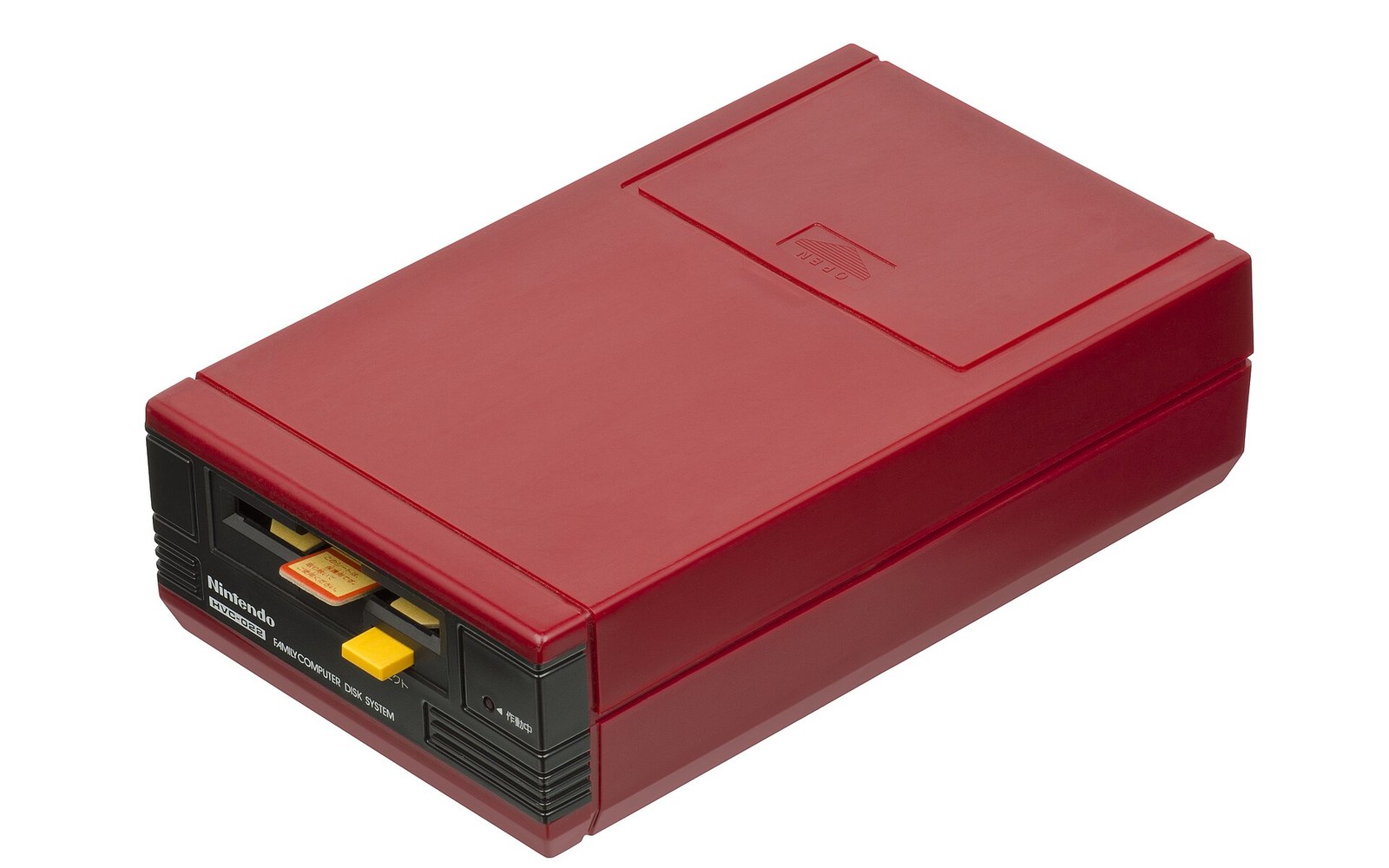
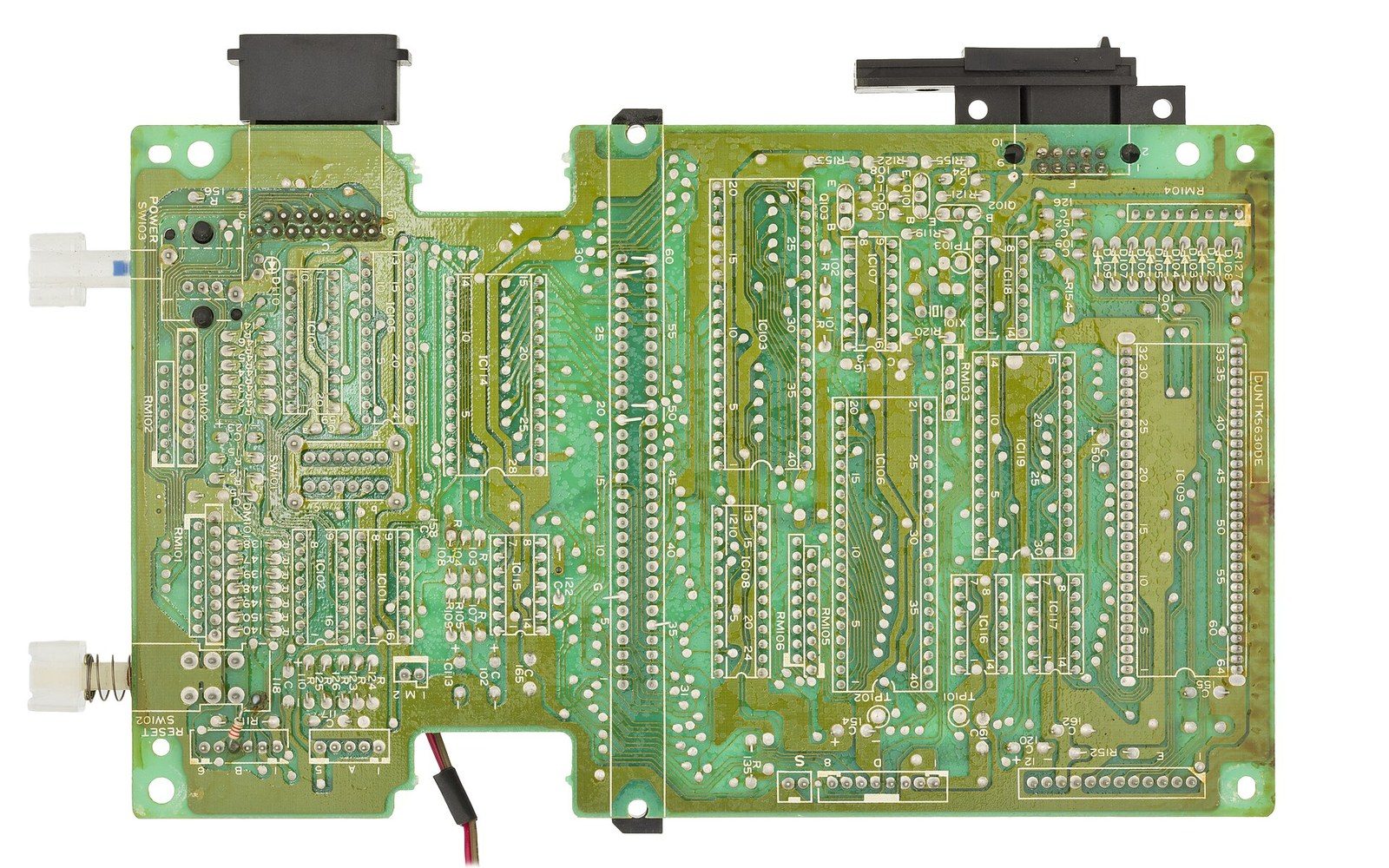
Most electronic music performance comes down to playback: a rendered file, a laptop running a DAW, something pre-baked that the performer curates in real time. Chiptune performance aimed squarely at the 2A03 refuses that comfort. When a performer drives real hardware on stage — an actual Famicom motherboard, a modified NES, or a clone circuit built to spec — the chip's timing constraints travel with it. Miss a frame, stutter a scanline routine, push the DPCM channel too hard, and the audience hears it. There is no undo.
The Ricoh 2A03 runs its sound hardware locked to the video frame rate: roughly 60.1 Hz on NTSC hardware, 50 Hz on PAL. Every envelope tick, every length counter decrement, every sweep update is governed by that clock. A performer who triggers notes through a live controller is not playing a synthesizer in the conventional sense — the chip's internal sequencer is running constantly, and the performer is issuing writes into a system that has its own opinion about when things happen. Latency between a button press and audible output is real and measurable, typically a frame or two, which disciplined performers account for in their timing the way a drummer accounts for monitor lag.
What the hardware demands
The standard live rig uses a modified cartridge or a flash cartridge running custom player code — often derived from NSF player routines — with a MIDI-to-hardware interface translating incoming note data into register writes. Projects such as LittleBits' Korg Synth Kit have made voltage-controlled approaches more visible, but the 2A03 community predominantly works at the register level: writing directly to addresses like $4000–$4017, the chip's mapped I/O space, which controls pulse width, frequency, envelope shape and everything else the chip exposes. That register map gives a performer two pulse channels with four selectable duty cycles each, a triangle with no volume control whatsoever, a noise channel driven by a linear-feedback shift register, and the DPCM sample channel — five voices, and no more.
Expansion audio adds another layer of complexity to live performance.
The triangle channel's hardware constraint is particularly unforgiving live. Because the triangle has no amplitude envelope, a performer cannot fade a bass note gracefully; the only options are full on or silence, which demands compositional discipline that is already baked into the player code before the set begins. Similarly, DPCM playback steals CPU cycles in a way that is consistent in the studio but can interact unpredictably with live controller code running on the same processor, introducing timing glitches that a pre-rendered track would never surface.
Expansion audio adds another layer of complexity to live performance. A Konami VRC6 cartridge wired for live use gives the performer three additional channels — two extra pulse oscillators and a sawtooth — but it also means driving a second set of registers through whatever bridge hardware sits between the controller and the cartridge bus. Sunsoft's 5B and Namco's 163 each impose their own register protocols. Performers who work with expansion hardware are effectively operating multiple synthesis engines simultaneously, and the stage rig must be built to handle each one correctly.
A practice older than the trackers
Live chip performance predates the tracker scene's consolidation around tools like FamiTracker. In the early 1990s, European demoscene performers were already driving Commodore hardware live at parties, and the 2A03 community inherited both the ethos and some of the methodology. The aesthetic commitment — to the specific sound of a specific piece of silicon running under its own clock — distinguishes this from the broader chiptune wave that uses software emulation. Emulation can be extraordinarily accurate, and modern band-limited synthesis techniques capture the 2A03's non-linear output mixer with genuine fidelity, but it remains a model of the chip rather than the chip itself. For performers who insist on real hardware, that difference is the entire point: the consequences are real because the circuit is real, and the music is as live as the machine allows.