The sample channel cost more than it was worth
The 2A03's DPCM channel could play back real recorded audio — at a cost in CPU time and cartridge space that almost nobody could afford to spend on anything ambitious.
What the channel actually was
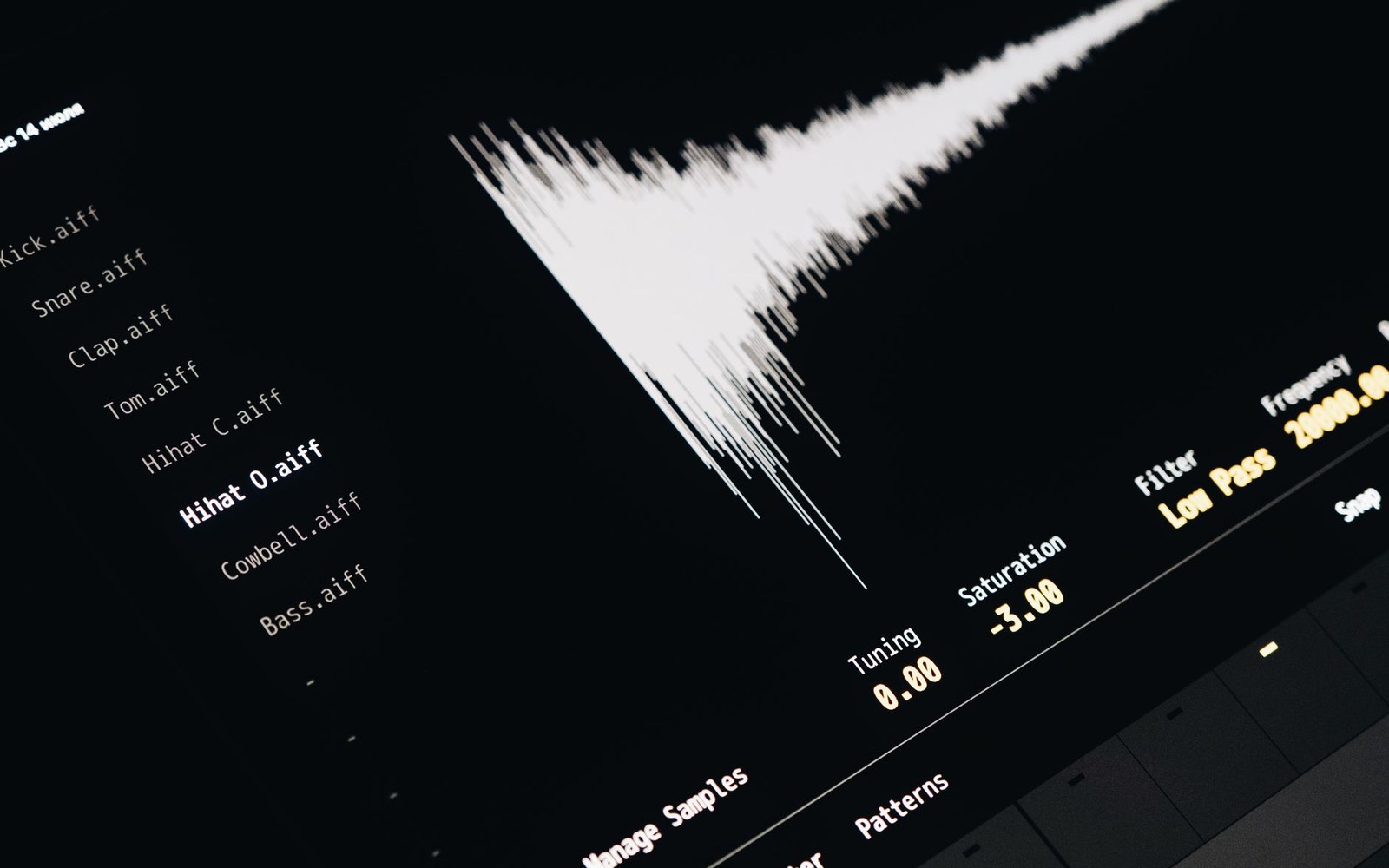
The fifth voice on the 2A03 is a delta-pulse-code-modulation playback channel: a stream of one-bit deltas — each bit telling the output level to step up or down by a fixed amount — that the chip converts to an analogue staircase approximating a recorded sound. The channel runs at one of sixteen fixed sample rates, the highest of which sits at roughly 33 kHz, with lower rates eating proportionally less bandwidth. The quality ceiling is low even at the fastest setting: the 1-bit delta scheme gives audible quantisation noise and a dynamic range that any cassette deck of the era would have beaten comfortably.
What made DPCM genuinely painful was not the sonic quality but the mechanism by which the chip fed itself. Because the 2A03 integrates the audio unit directly onto the CPU die, the DMC's DMA fetches — its periodic grabs of the next byte of sample data — happen on the CPU bus itself. Each fetch halts the processor for one to four cycles. In a system running at 1.79 MHz, those stolen cycles accumulate into timing errors that are audible as clicks and, more seriously, as corrupted controller reads and sprite behaviour. Hirokazu Tanaka, working on titles like Metroid (1986), could write around the noise channel's limitations with compositional choices; the DMC's interrupt behaviour was a systems problem, not a musical one.
What it was actually spent on
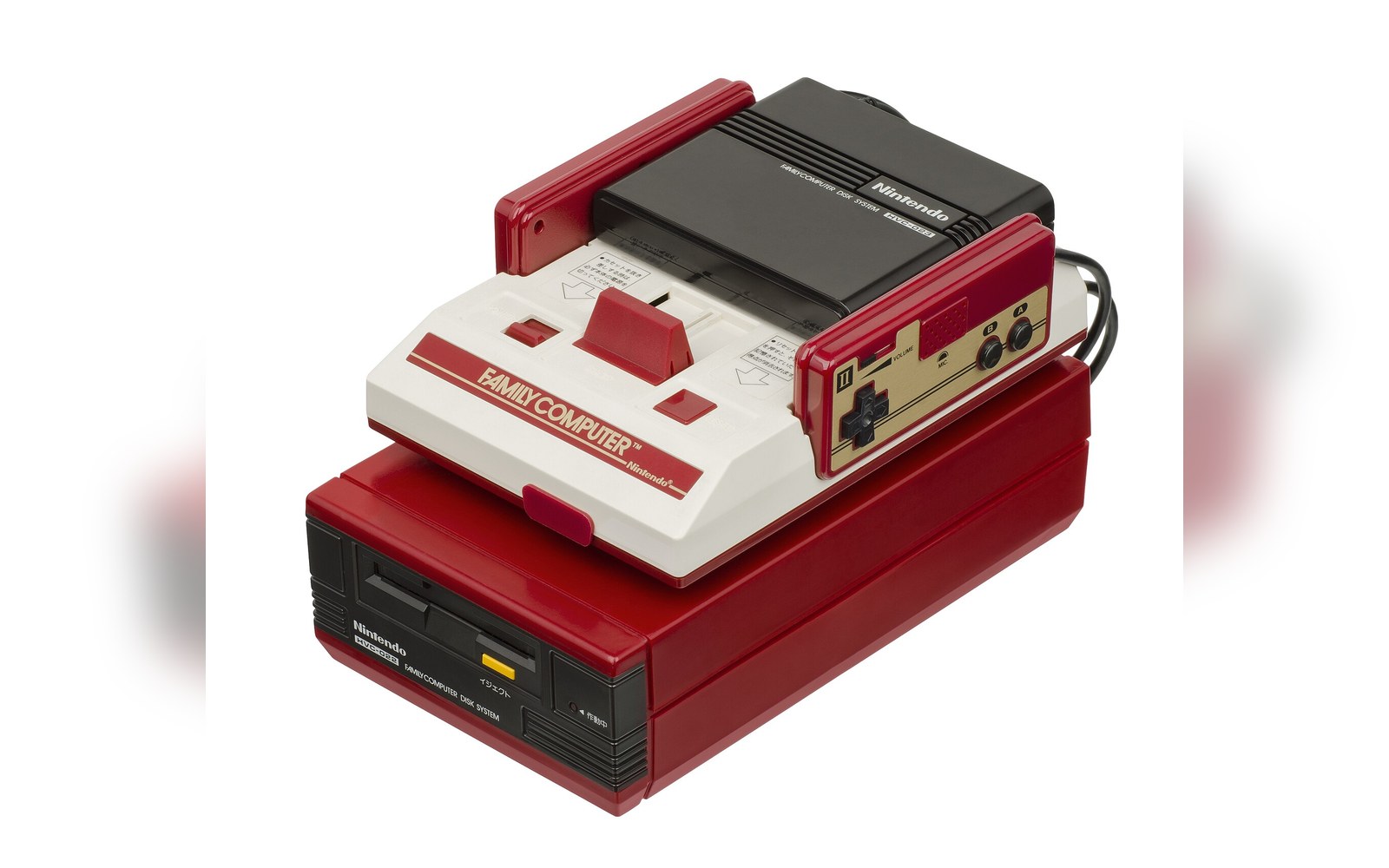
Cartridge ROM was sold by the kilobyte and priced accordingly. A single second of DPCM audio at a moderate sample rate consumed several kilobytes — space that might otherwise carry two or three additional stages of tile data. The arithmetic was brutal: a melody phrase long enough to be useful would cost more ROM than the rest of the score combined, and it would still sound degraded.
Cartridge ROM was sold by the kilobyte and priced accordingly.
The practical answer was to keep samples short and percussive. A kick drum transient lasts a fraction of a second. A snare hit lasts less. Composers discovered that the DMC channel's 1-bit staircase, while useless for sustained tones, did a passable job of reproducing the attack envelope of a drum hit — precisely because the ear forgives pitch inaccuracy on a noise burst in a way it does not forgive it on a held note. Sunsoft's Batman (1989) and Konami's Contra (1988) are frequently cited for their percussion beds, and in both cases the DMC's contribution is essentially rhythmic punctuation rather than melodic content.
Some composers tried harder. The Rad Racer score by Koji Kondo (1987) uses the channel for textural support, and a handful of later titles pushed looped samples into something resembling a bass drone. But these remained exceptions. The fundamental constraint — that every DPCM byte sitting in ROM was a byte not used for anything else, and that it interrupted the CPU to play — meant that conservatism paid better than ambition.
What it left behind
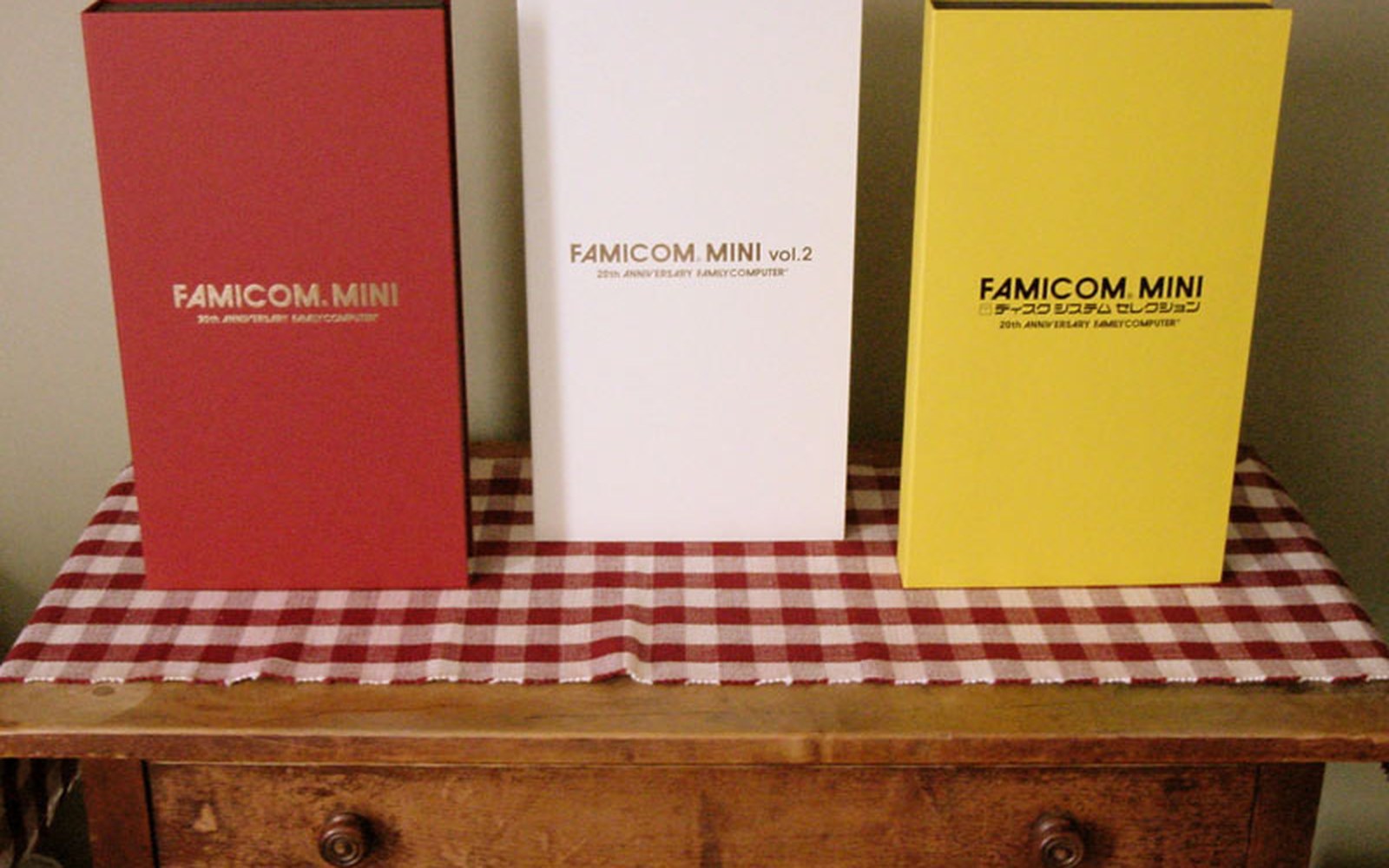
The tracker scene's relationship with the DMC channel is telling. FamiTracker and its derivatives support DPCM sample loading, but the community consensus visible in most original NSF compositions since the 1990s is to treat it as a percussion slot and no more. The NSF file format preserves sample data in the same binary as the player routine, making the cost concrete: a track heavy on DPCM samples is simply a larger file.
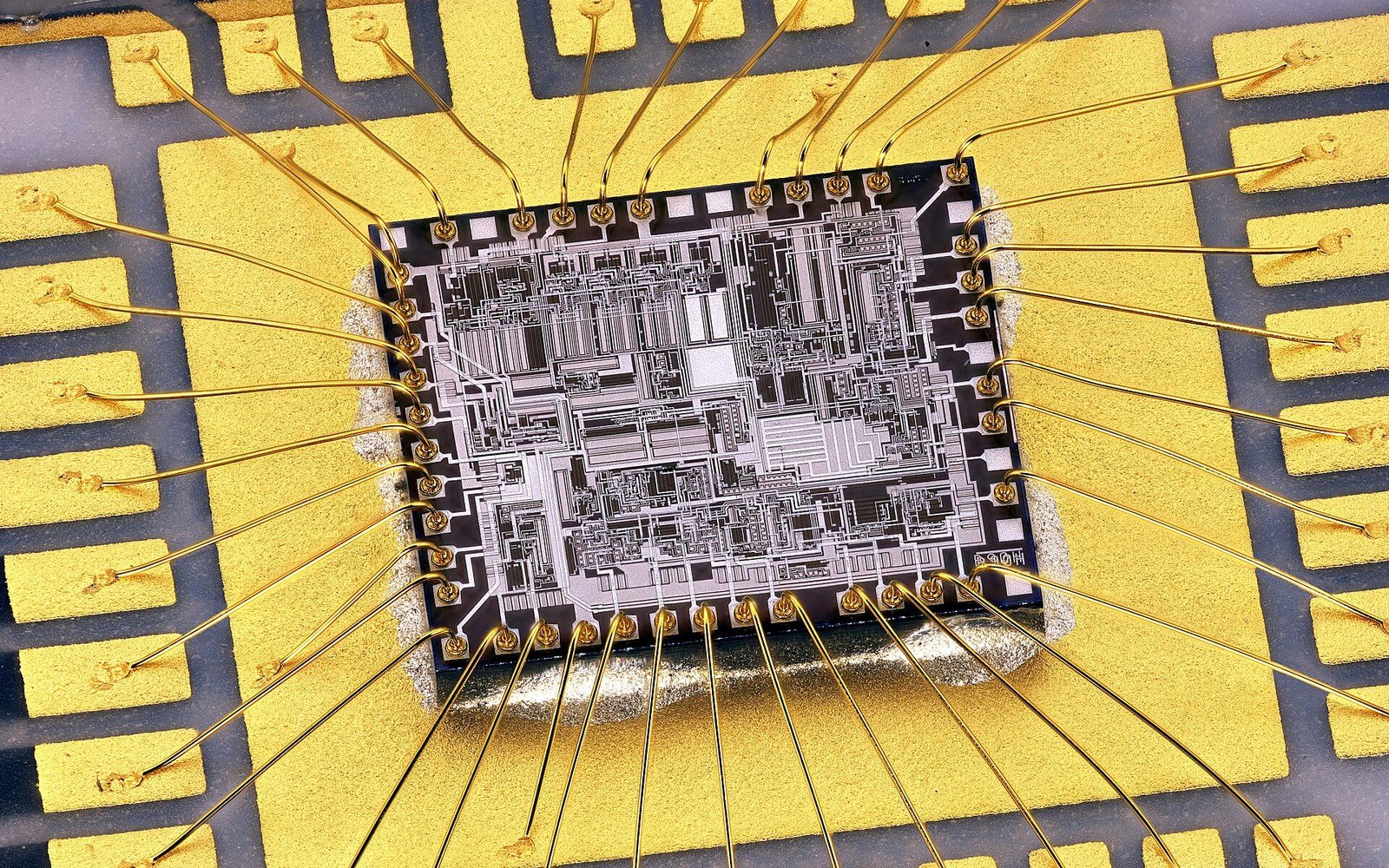
What the channel's limitations actually produced, indirectly, was a stronger investment in the expansion audio cartridges that Konami, Sunsoft and Namco would develop across the late 1980s — each of which bypassed the DMC problem entirely by adding new synthesis channels rather than trying to improve playback. The most ambitious audio on the Famicom came not from the channel designed for realism, but from the ones that never pretended to offer it.