The score people cite when they argue about the best
Mega Man 2 arrived in 1988 with a soundtrack that still ends arguments — and starts them.
Five years in, and the hardware suddenly sounded like this
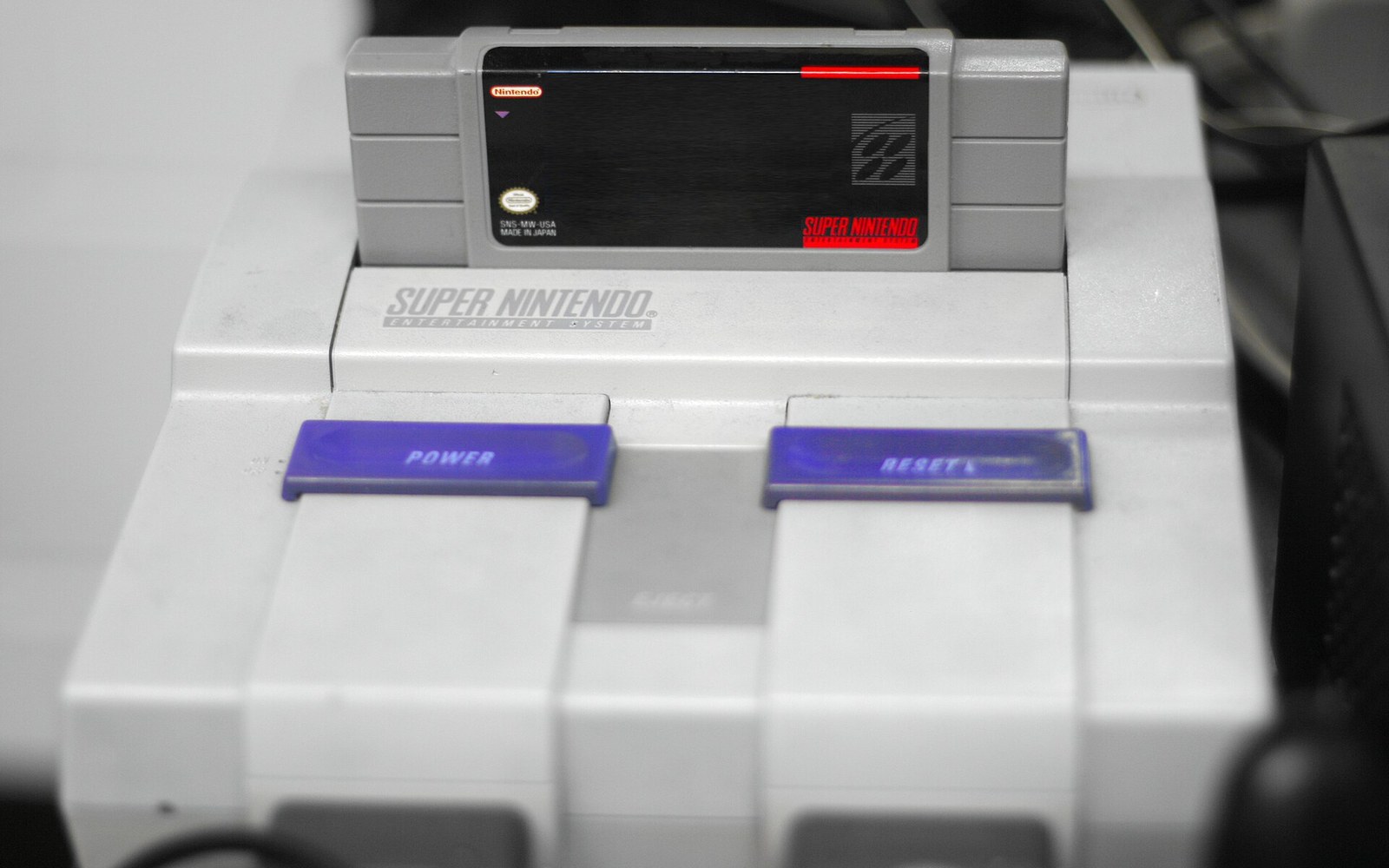
By 1988, Capcom's composers had five years of NES development behind the industry. The hardware was unchanged — still the same two pulse channels, one triangle, one noise, and one DPCM slot the Famicom had launched with in 1983. What had changed was the accumulated understanding of how to push those fixed resources without flinching.
Mega Man 2's music is credited to Takashi Tateishi, who composed the majority of the stage themes, with Manami Matsumae contributing additional tracks. Neither name carries the same cultural weight as Koji Kondo or Hirokazu Tanaka, which is part of what makes the score interesting: it demonstrates that the chip's ceiling was not a matter of individual genius but of accumulated craft. By the late Famicom era, composers across multiple studios had mapped the hardware's tolerances well enough to wring results that still hold up as reference points.
The stage themes — Flash Man, Bubble Man, Metal Man, Heat Man — each run a continuous melodic line on one pulse channel while the second pulse handles either harmony or counterpoint. The triangle anchors the low end, playing bass figures that lock with the noise percussion. There is almost no DPCM used for melodic content; the sample channel sits mostly idle, and the score loses nothing for it. That restraint is a choice, and it pays off: without the CPU overhead that DPCM playback steals, the engine runs cleanly, and the melodic channels get full attention from the hardware.
What the arrangement actually does
The famous quality of the Dr. Wily Stage 1 theme — the one most likely to surface in any argument about NES music — is partly structural. It opens on the second pulse channel alone, a single melodic phrase that sets the harmonic context before anything else enters. When the bass and percussion join, the effect is of something clicking into place rather than starting. That sense of build-up within a channel-poor format is not accidental: it reflects a mature understanding that entrance order and rhythmic placement can simulate depth that timbre alone cannot provide.
The triangle's limitations are visible throughout but never feel like a problem.
The duty cycle choices across the score vary systematically. Pulse channels on the 2A03 can be set to four duty cycles — 12.5%, 25%, 50%, and 25% inverted — each with a distinct brightness. Tateishi moves between them deliberately: thinner cycles for lead lines that need to cut, wider ones for supporting harmony that should sit back. It is a small palette used with discipline, and the result is a score that sounds fuller than its channel count has any right to produce.
The triangle's limitations are visible throughout but never feel like a problem. The triangle channel carries no volume control, so every note plays at the same level. Tateishi works with that, writing bass lines that are rhythmically active enough to register as present without needing dynamic shaping. The noise channel, meanwhile, handles percussion with more rhythmic variety than many contemporary scores — hat patterns shift between sections, and the drum feel changes meaningfully between the playful early stages and the harder-edged Wily castle sequence.
Why this one
Mega Man 2 is not necessarily the most technically extreme NES score — later work by composers at Sunsoft and Konami pushed expansion audio into territory the base chip could never reach. But within the constraints of the five-channel 2A03, with no extra hardware and no tricks beyond what Ricoh built into the silicon, it is the score that most consistently demonstrates what disciplined composition looks like at the chip's practical ceiling. That is why it surfaces whenever the conversation turns to what the hardware could actually do: not because it cheated, but because it did not need to.
The chip-music community's broader argument about comparative hardware — 2A03 versus SID, versus AY, versus everything else — tends to circle back to this score as the cleanest evidence for the NES side of the case.